
Why Age 7? A Child's First Orthodontic Assessment
.avif)
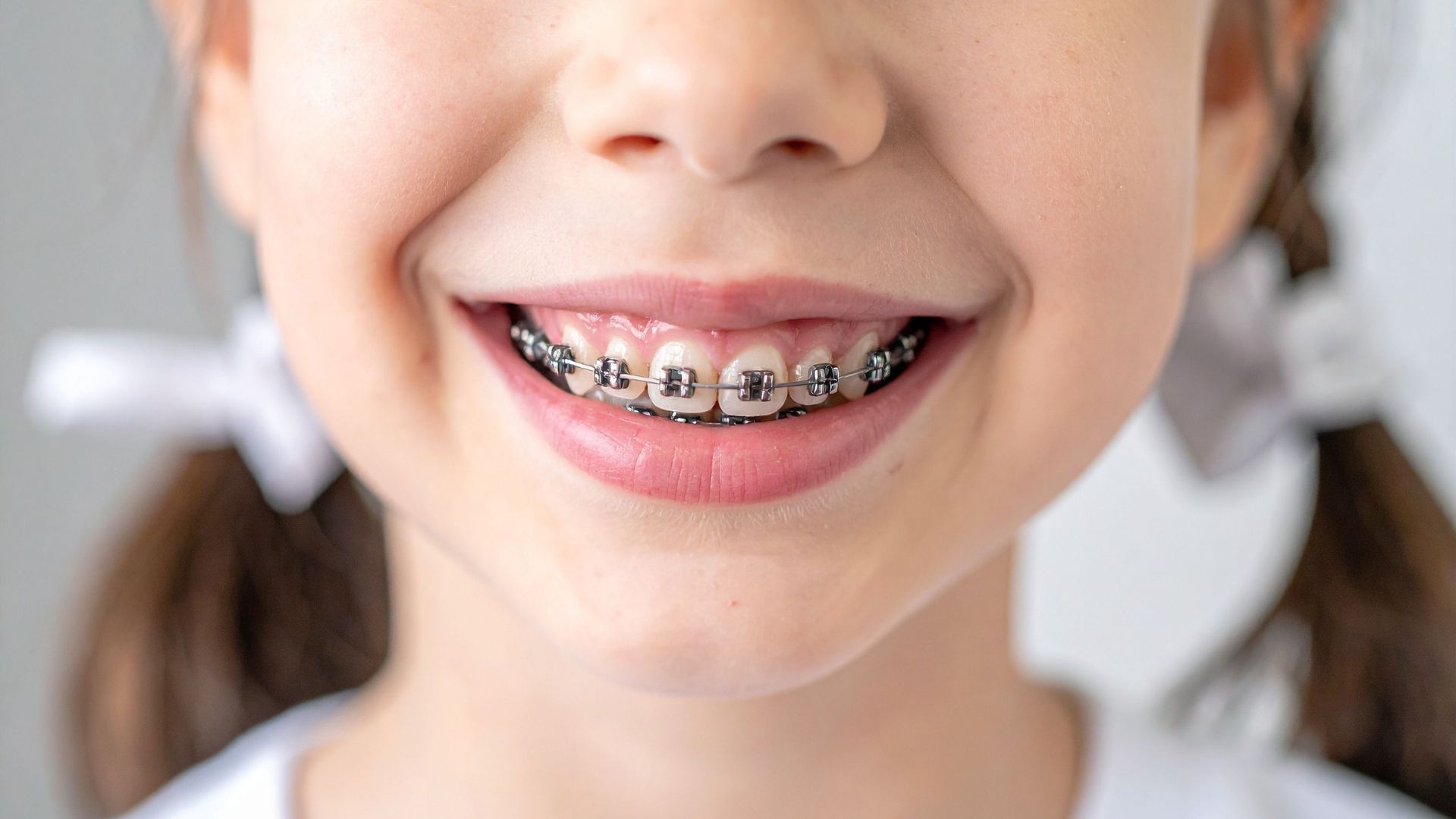
As a parent, keeping on top of your child's health appointments is a job that never really stops. Dental check-ups, eye tests, GP visits - the list is long. Orthodontics, however, is one area that consistently falls lower on the priority list than it should, because most parents assume it is something addressed when a child is older, in their early teens, when crowding becomes obvious, or a dentist flags something at a routine check-up. The professional recommendation tells a very different story. The ideal age for a child's first orthodontic evaluation is 7. At Dublin Orthodontics, we carry out first evaluations for children across all five of our clinics in Malahide, Swords, Ranelagh, Clontarf, and Ratoath every single week - and the difference that early assessment makes to long-term outcomes is both consistent and significant.
Why Age 7? The Science Behind the Recommendation
Age 7 is the recommended age for a first evaluation because it represents a genuinely unique developmental window. Most children at this age have a mix of baby teeth and emerging adult teeth, and this combination gives an experienced orthodontist a detailed and revealing picture of how both the teeth and the jaw are developing. Critically, at age 7, the jaw is still actively growing - which means our team at Dublin Orthodontics still has the opportunity to influence and guide that growth where it is needed.
By the time a child reaches their early to mid-teens, much of that jaw growth is complete, and those same intervention options are simply no longer available. Treatment is still absolutely possible at that stage, but it is often more complex, more involved, and longer than it would have been with earlier clinical input. That single evaluation at age 7 can change the entire trajectory of your child's orthodontic journey.
What Does a First Orthodontic Evaluation at Dublin Orthodontics Involve?
We understand that bringing a young child to a clinical appointment requires reassurance - for both the child and the parent. A first evaluation at any of our five Dublin Orthodontics clinics is designed to be calm, friendly, and entirely stress-free. Our experienced team will conduct a thorough yet gentle assessment of your child's teeth, bite, and jaw development, ask a few straightforward questions about any concerns you have noticed, and provide you with an honest and clear picture of where things stand.
As one parent described their family's experience at Dublin Orthodontics: "Exceptional, friendly service. All members of staff are extremely helpful and professional. Our experience as both a parent and patient has been very positive. A worthwhile journey."
In many cases, the outcome of a first evaluation is simply a monitoring plan. In others, we may identify a specific issue that warrants an early targeted intervention. Either way, you leave knowing exactly what the situation is and what the next steps look like - no ambiguity, no pressure, and no unnecessary urgency.
Signs Your Child May Benefit From an Early Assessment
You do not need to wait for a formal referral or for a visible problem to emerge. Here are the most common indicators that an early orthodontic assessment is a worthwhile step.
Crowding or Crooked Teeth
If your child's teeth are appearing crowded, overlapping, or coming through in irregular positions, this is worth having assessed sooner rather than later. Crowding is one of the most common orthodontic issues in children, and early evaluation gives our team the opportunity to consider space management strategies that can meaningfully reduce treatment complexity further down the line.
Bite Issues - Overbite, Underbite, or Crossbite
A bite that does not close as it should is one of the clearest reasons to book an early evaluation. Overbites, underbites, and crossbites can all affect jaw development, long-term facial symmetry, and dental health if left unaddressed. Identifying these issues early gives our team the best possible window for effective, well-timed intervention.
Jaw Development Concerns
If you have noticed that your child's jaw appears narrow, that they breathe predominantly through their mouth, or that there seems to be any asymmetry developing in their face or bite, these are all worth raising at a first evaluation. Jaw development issues are significantly easier to address during the years of active growth than after that growth has concluded.
Prolonged Thumb Sucking or Dummy Use
Habits such as thumb sucking or dummy use that persist beyond the age of three or four can affect the development of the teeth and jaw over time, particularly the position of the front teeth and the shape of the upper arch. If your child has had one of these habits and you are wondering about the potential long-term impact, an early evaluation will give you a completely honest and reassuring picture of whether any guidance is needed.
Does My Child Need to Start Treatment Straight Away?
This is the question we hear most consistently from parents at a first evaluation - and the answer, in most cases, is no. An evaluation at age 7 does not mean that active treatment begins at that age. In the majority of cases, our team at Dublin Orthodontics will put a monitoring plan in place, reviewing your child's development at periodic intervals and recommending treatment only when the timing is clinically right.
The purpose of early evaluation is not to rush into treatment - it is to ensure that when treatment is needed, it is delivered at the optimal time and in the most straightforward way possible. Parents consistently tell us that this approach gives them real and lasting peace of mind. You are not committing to anything at the first evaluation. You are simply making sure you have the full picture.
The Long-Term Benefits of Early Orthodontic Assessment
Children who are assessed and monitored from age 7 tend to require shorter, simpler, and less extensive treatment than they would have without early input. Early interventions - where clinically indicated - can reduce the likelihood of teeth needing to be extracted later, shorten the duration of fixed brace treatment, and in some cases prevent the need for more significant interventions entirely.
Beyond the clinical picture, there is a confidence dimension that matters just as much. Children who grow up with well-developed, healthy, properly aligned teeth carry a quiet confidence with them through their teenage years and into adulthood. A first evaluation at age 7 is a small investment of time with a potentially very meaningful long-term return.
Book Your Child's First Evaluation at Dublin Orthodontics
If your child is approaching age 7, or if they are a little older and you have been wondering whether an assessment is overdue, our team at Dublin Orthodontics would love to welcome you both. We carry out first evaluations at all five of our clinic locations - Malahide, Swords, Ranelagh, Clontarf, and Ratoath - in relaxed and friendly environments designed to put young patients completely at ease.
Flexible appointment times are available throughout the week to fit around school hours and family schedules. Visit dublinorthodontics.ie to book your child's first evaluation today. It is the kind of appointment you will be genuinely glad you made.

